
| 1680x1050, Enthusiastmode, AA 8x, DX10, 64 Bit, Mittelwert | |
| Sapphire Radeon HD 6990 OC | 68,1 |
| Sapphire Radeon HD 6950 CF | 67,5 |
| Sapphire Radeon HD 6990, 2x 2 GB GDDR5 | 67,2 |
| ZOTAC GeForce GTX 570 3-Way SLI | 65,7 |
| ZOTAC GeForce GTX 590, 2x 1536 MB GDDR5 | 65,4 |
| Club 3D GeForce GTX 570 SLI | 65,1 |
| ZOTAC GeForce GTX 580 AMP! Edition, 1536 MB GDDR5 | 51,8 |
| ZOTAC GeForce GTX 580, 1536 MB GDDR5 | 50,0 |
| Sapphire Radeon HD 6970, 2 GB GDDR5 | 45,0 |
| ZOTAC GeForce GTX 570, 1280 MB GDDR5 | 42,7 |
| Sapphire Radeon HD 6950, 2 GB GDDR5 | 39,2 |
| Angaben in FPS (mehr ist besser) | |
| 1680x1050, Enthusiastmode, AA 8x, DX10, 64 Bit, Minimalwert | |
| Sapphire Radeon HD 6950 CF | 44,6 |
| Sapphire Radeon HD 6990 OC | 44,3 |
| Sapphire Radeon HD 6990, 2x 2 GB GDDR5 | 43,3 |
| Club 3D GeForce GTX 570 SLI | 40,5 |
| ZOTAC GeForce GTX 590, 2x 1536 MB GDDR5 | 40,1 |
| ZOTAC GeForce GTX 570 3-Way SLI | 39,3 |
| ZOTAC GeForce GTX 580 AMP! Edition, 1536 MB GDDR5 | 38,5 |
| ZOTAC GeForce GTX 580, 1536 MB GDDR5 | 38,0 |
| Sapphire Radeon HD 6970, 2 GB GDDR5 | 34,9 |
| ZOTAC GeForce GTX 570, 1280 MB GDDR5 | 32,8 |
| Sapphire Radeon HD 6950, 2 GB GDDR5 | 29,0 |
| Angaben in FPS (mehr ist besser) | |
| 1920x1200, Enthusiastmode, AA 8x, DX10, 64 Bit, Mittelwert | |
| ZOTAC GeForce GTX 570 3-Way SLI | 63,9 |
| Sapphire Radeon HD 6950 CF | 63,4 |
| Sapphire Radeon HD 6990 OC | 62,5 |
| Club 3D GeForce GTX 570 SLI | 62,1 |
| Sapphire Radeon HD 6990, 2x 2 GB GDDR5 | 60,9 |
| ZOTAC GeForce GTX 590, 2x 1536 MB GDDR5 | 60,2 |
| ZOTAC GeForce GTX 580 AMP! Edition, 1536 MB GDDR5 | 42,3 |
| ZOTAC GeForce GTX 580, 1536 MB GDDR5 | 41,1 |
| Sapphire Radeon HD 6970, 2 GB GDDR5 | 38,4 |
| ZOTAC GeForce GTX 570, 1280 MB GDDR5 | 34,6 |
| Sapphire Radeon HD 6950, 2 GB GDDR5 | 32,6 |
| Angaben in FPS (mehr ist besser) | |
| 1920x1200, Enthusiastmode, AA 8x, DX10, 64 Bit, Minimalwert | |
| Sapphire Radeon HD 6990 OC | 42,9 |
| Sapphire Radeon HD 6990, 2x 2 GB GDDR5 | 41,9 |
| Sapphire Radeon HD 6950 CF | 41,5 |
| ZOTAC GeForce GTX 590, 2x 1536 MB GDDR5 | 39,7 |
| ZOTAC GeForce GTX 570 3-Way SLI | 38,3 |
| Club 3D GeForce GTX 570 SLI | 37,0 |
| ZOTAC GeForce GTX 580 AMP! Edition, 1536 MB GDDR5 | 32,7 |
| ZOTAC GeForce GTX 580, 1536 MB GDDR5 | 30,5 |
| Sapphire Radeon HD 6970, 2 GB GDDR5 | 29,3 |
| Sapphire Radeon HD 6950, 2 GB GDDR5 | 25,0 |
| ZOTAC GeForce GTX 570, 1280 MB GDDR5 | 24,4 |
| Angaben in FPS (mehr ist besser) | |
ASUS erweitert seinen kompakten KI-Supercomputer Ascent GX10 um eine Variante mit 64 GB Unified Memory. Das neue Modell basiert wie...
Dell bringt den Alienware 32 4K OLED (AW3226Q) auf den Markt. Der auf der IFA vorgestellte Gaming-Monitor kombiniert ein flaches...
Bei Technical SEO geht es bei einem Relaunch oft um mehr als eine technisch „saubere“ Website. Eine Internationalisierung oder ein...
Fühlen Sie sich sicher in Ihrem Zuhause? Mehr als jede vierte Person in Deutschland (28,6 %) gab laut der SKiD-Dunkelfeldstudie...
Für viele Freizeitläuferinnen und -läufer ist nicht das Training selbst die größte organisatorische Herausforderung. Schwieriger ist der Übergang zwischen Arbeit,...
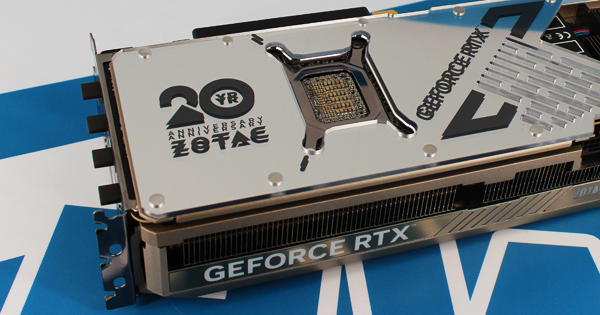
Hersteller ZOTAC präsentiert anlässlich seines 20-jährigen Bestehens eine auf nur 2.000 Stück limitierte GAMING GeForce RTX 5080 SOLID CORE OC 20th Anniversary Edition Grafikkarte. Wir haben sie heute exklusiv im Test.
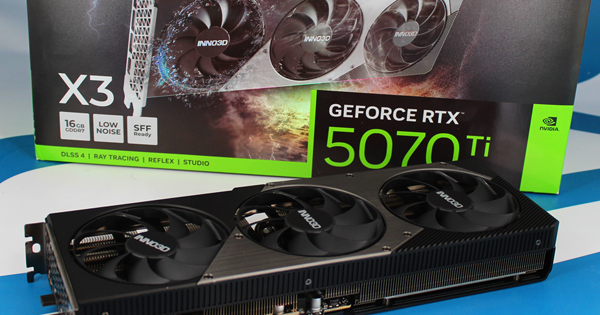
Mit der GeForce RTX 5070 Ti X3 bietet INNO3D ein eher schlichtes Custom-Design der RTX 5070 Ti an. Wir haben uns die SFF-Grafikkarte, die mühelos auch in schlanke Builds passt, im Praxistest genauer angesehen.
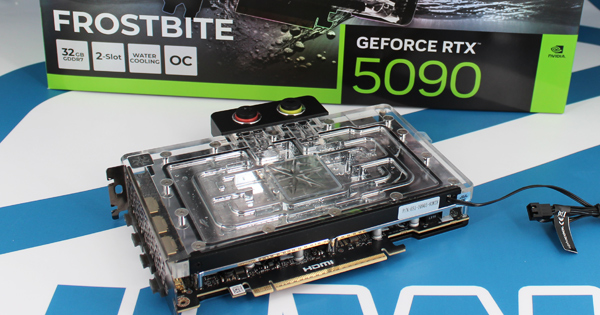
Mit der iCHILL Frostbite bietet INNO3D eine GeForce RTX 5090 Grafikkarte mit Wasserkühlblock von Alphacool an. Wir hatten die Gelegenheit diesen extravaganten Boliden im Testlab auf Herz und Nieren zu prüfen.